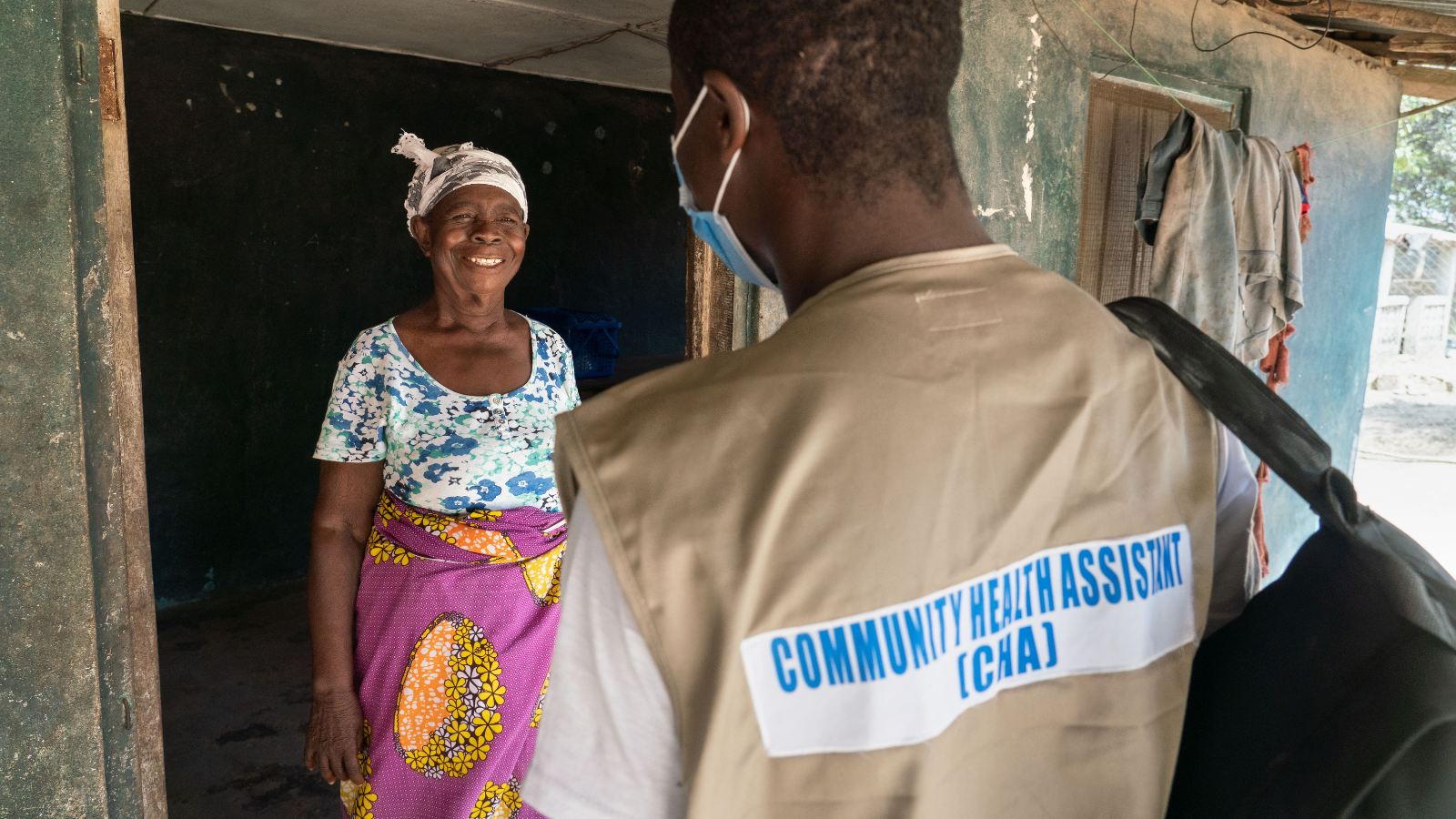
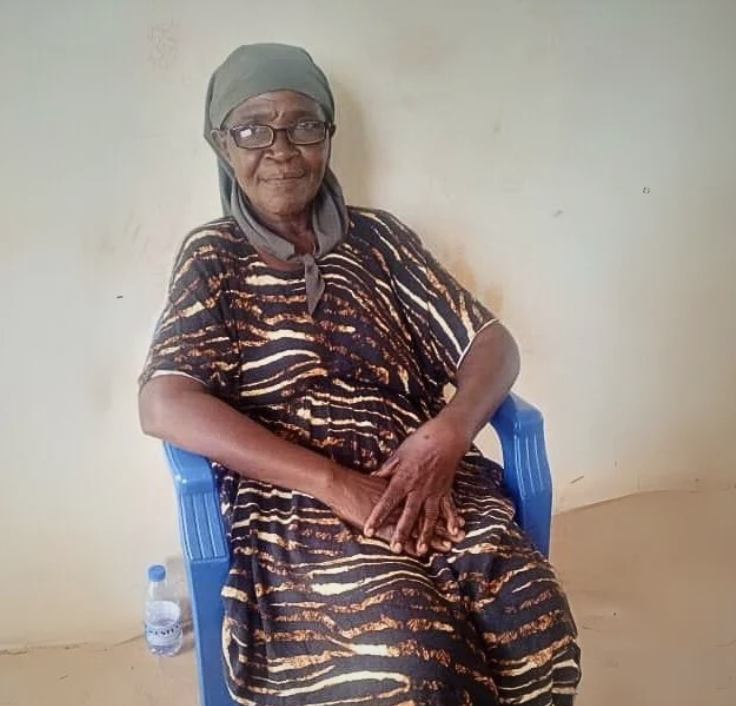
During a recent community eye health training in Kaliro District, Uganda, Mutesi Robinah Nyanga, a Village Health Team (VHT) member, received a vision screening and her first pair of +3 reading glasses. VHTs are Uganda’s front-line community health workers who go door-to-door in their communities, delivering basic medical treatment, health education, and referrals.
For Mutesi, the change was immediate. A simple tool like +3 readers has an outsized impact on the accuracy, speed, and dignity of care she can provide. After receiving her glasses, she could read small print on registers, treatment cards, dosage labels, and phone screens—tasks that had become a daily struggle. With glasses, she can reduce errors, complete consultations more quickly, and spend more time focused on her patients instead of squinting or asking for help with reading and writing.
The ripple effects are significant. VHTs in Uganda are often the first—and sometimes only—point of contact for primary healthcare. They often record medical data on paper registers, check treatment cards, and educate families in homes that may have low light. Clear near vision means faster primary treatment, clearer referrals, fewer medication mistakes, and stronger record keeping. Each small efficiency cascades into better health outcomes at every level of the system.
Mutesi received her glasses during training which is part of a pilot program led by the Ugandan Ministry of Health in collaboration with EYElliance and Clinton Health Access Initiative (CHAI). The initiative equips community health workers not only with the skills to identify near-vision challenges, but also with the supply of reading glasses to address them directly within their communities. It’s a proven and cost-effective way to integrate vision care into primary health systems.
As the training of VHTs draws to a close, community members aged 40+ will soon begin receiving reading glasses after a simple near-vision test carried out by VHTs themselves.
This is what it looks like to invest in salaried, skilled, supervised, and supplied community health workers. By suppling VHTs adequitely—like meeting their need to see clearly—we strengthen their ability to serve others. For Mutesi, glasses are more than a personal win; they are a tool that equips her to deliver safer, faster, and more dignified care to her community.